It's 5:15, you just walked through the front door, your keys are still in your hand, and three things need to be done at once. Dinner has to start, the sink is already full, and someone just remembered their soccer jersey is dirty for tomorrow's game.
That after-school, after-work stretch is the busiest two hours in a lot of homes, and today's appliances are built to keep up with it. A few specific features can shave real minutes off the rush, and the team at Leonardi Appliance can point out which ones you might already have.
Fast Preheat or No Preheat
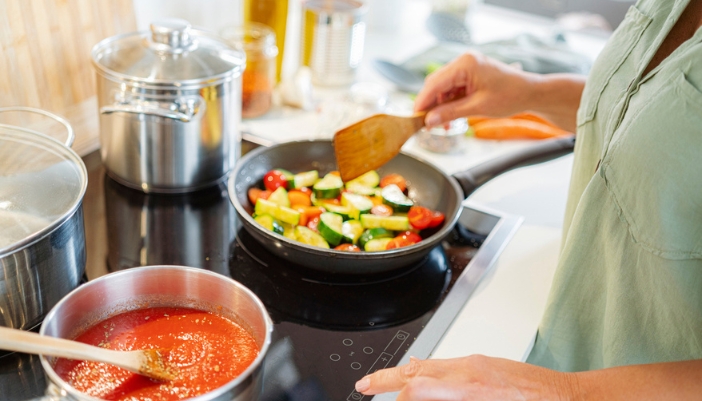
First up is the feature that gets dinner started sooner. Fast preheat uses extra heating elements, often along with the convection fan, to bring an oven up to temperature in noticeably less time than a standard preheat. On a weeknight, that can mean the sheet pan goes in while you're still changing out of work clothes. Some newer ovens skip the wait entirely with a no-preheat option for foods like frozen pizza or sheet-pan dinners. You slide the pan in right away, and the oven adjusts how it heats, so everything still cooks evenly. Look for either option on your range or wall oven controls or check the owner's manual.
A Power Burner or Induction Cooktop
Pasta sounds like a quick, easy dinner, right up until you're standing over a pot for 15 minutes waiting for the water to boil. Many ranges include at least one high-output burner or element built for fast boiling, usually the largest one, with a higher BTU or wattage rating than the rest. Induction cooktops go a step further, heating the pan directly with a magnetic field, so water boils in a fraction of the usual time. Either way, dinner's slowest step gets shorter, and nobody has to hover over the stove waiting for bubbles.
Two Loads, No Hand-Washing
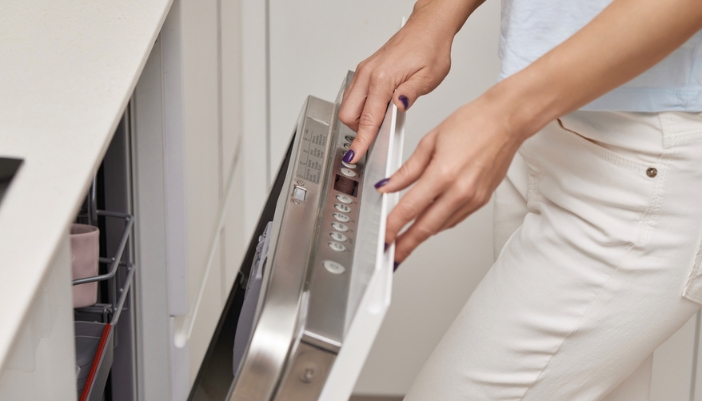
Weeknight cooking tends to leave behind more than one rack can hold: the pasta pot, a sheet pan, and a skillet, plus everyone's plates and cups. Instead of hand-washing the overflow, split it into two loads. Once dinner's on the table, scrape the pots and pans, load them up, and start a quick-wash cycle, which finishes in about an hour. After dinner, load the plates, bowls, and glasses and set delay start so that cycle runs overnight. There's room for everything, and nobody spends the evening at the sink.
Did You Know?
Quick-wash cycles are designed for lighter messes. If a casserole dish or roasting pan has baked-on food, it's worth saving for a heavier cycle so it comes out fully clean.
Express Wash
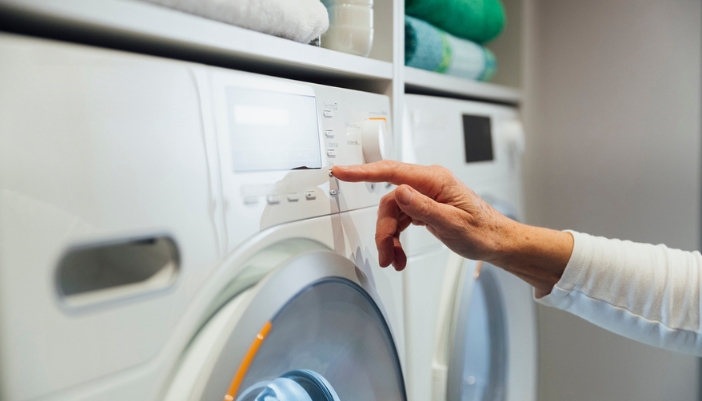
The laundry room has a speed setting too. An express or quick wash cycle is designed for small, lightly soiled loads and often finishes in under 30 minutes, so the jersey or work polo someone needs by morning doesn't have to wait for a full load. Toss it in while everyone eats, move it to the dryer after, and it's ready long before bedtime. Look for "Quick Wash," "Express," or a similar setting on your washer's cycle dial.
Did You Know?
Express cycles work best with just a few items. Packing the drum full can leave clothes less clean, since there's less time and room for water to move through the load.
You Made It to 7:01
The rush isn't going anywhere, but now you know which features are built to handle it. If you're curious which ones would help your evenings most, the team at Leonardi Appliance can show you how they work in person. Stop in with your questions, or shop our dishwashers, ranges, and washers, and let your appliances take a few of those 5 o'clock jobs off your plate.